
PERFORMANCE MONITORING & KPIS
Performance Management Doesn't Happen Without Monitoring
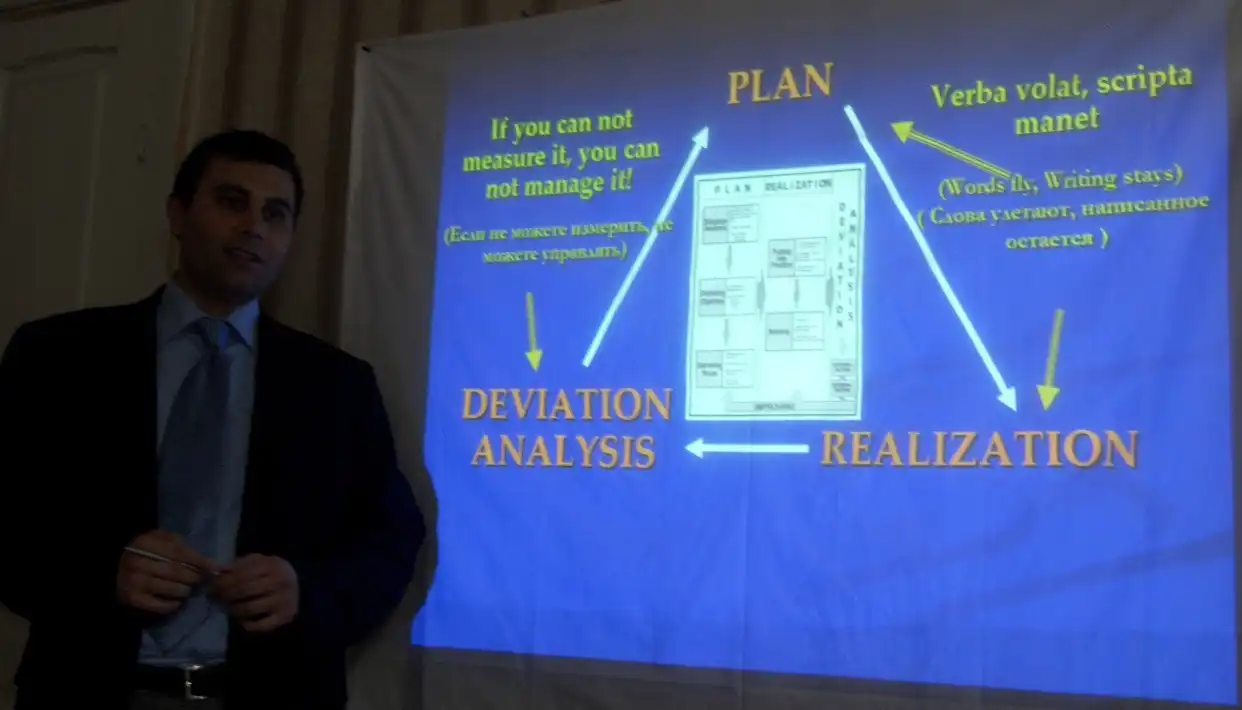
For a sales or marketing team, setting targets is important but not sufficient. Measuring how much of the target is achieved and taking action based on that measurement is the real success.
This service establishes a continuously trackable order for your team's performance and builds a culture that operates with metrics.
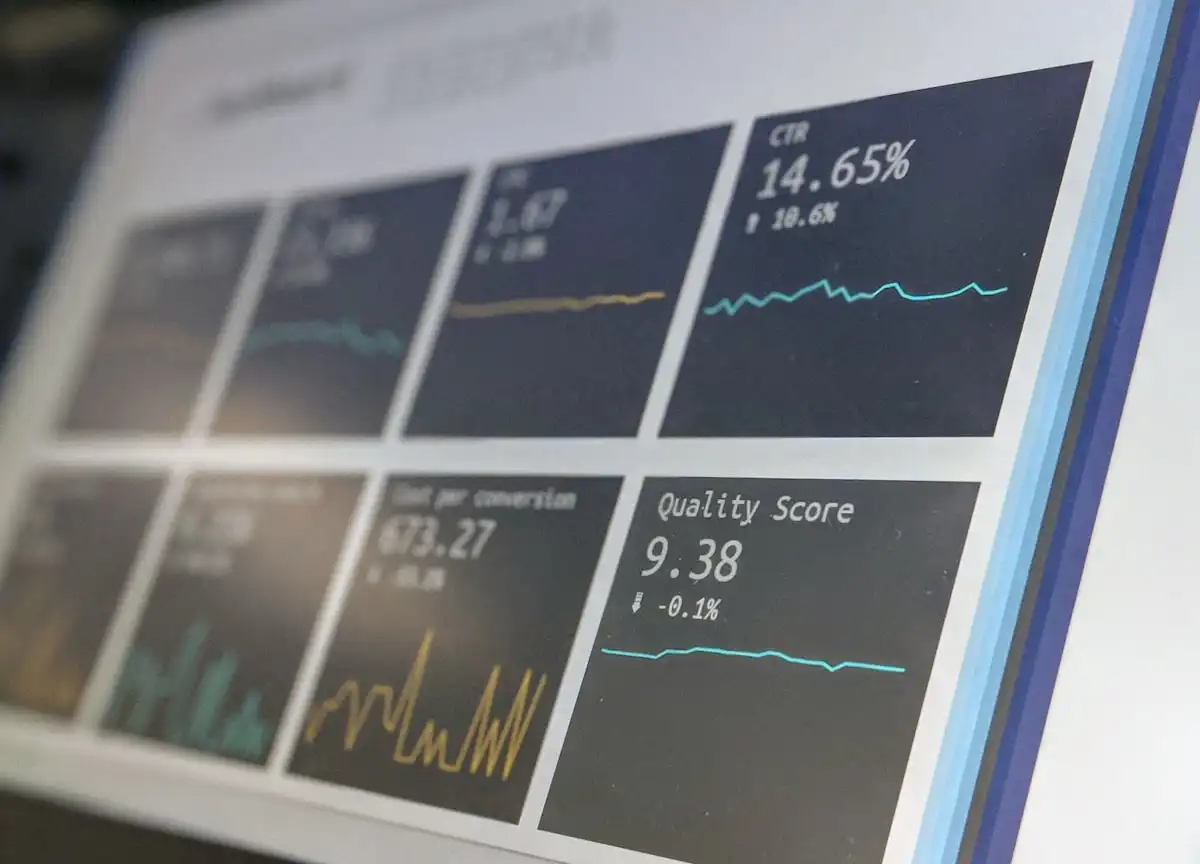
APPROACH: GOALS AND TRACKING CLARIFIED WITH KPIS
-- Key Performance Indicators (KPIs) are measurable values that show how close an organization is to its strategic goals.
-- KPIs are not about "collecting lots of data"; they are the right number of data points based on the right criteria.
-- In this system, goal setting follows SMART criteria (Specific — Measurable — Achievable — Relevant — Time-bound) → everyone knows what to achieve, by when, and how it will be measured.
--- As you mentioned: set goals four times a year in 3-month periods, make them written by mutual agreement, and monitor.
PROCESS: STEPS THAT PUT IT INTO PRACTICE
- Defining the KPI Set: Performance indicators are selected according to the company's sales/marketing goals. (For example: number of new customers, sales growth rate, revenue per customer increase, activity count, etc.)
- Few, Effective KPIs: Not overly complex; tracking the most critical 5–7 indicators is recommended. [[OnStrategy]{.underline}]
- Goal Definition & Agreement: The employee and manager sit together and write 3‑month goals in SMART format.
- Monitoring and Reporting: At the end of the period, the achievement rate is measured and compared with the goals.
- Actions Based on Results: Development plans for those who miss targets; rewards for those who meet them; models are reviewed for outliers.
- Continuity: The system is not one‑off; each period it is renewed, KPIs are revised, and adapted to changing conditions.

ADVANTAGE GAINED THROUGH REAL EXPERIENCE
Your years of building and managing field teams in different countries give a big advantage in implementing this system:
-- The goal‑setting and monitoring process has been tested not only at the desk but also in the field.
-- You have seen what motivates employees and which indicators work across different cultures.
-- Therefore, when setting up the KPI system, "local realities" are considered — not just theoretical numbers, but also on‑the‑ground dynamics.
-- Thus, the system stops being "nice on paper" but not working in the field; it becomes a lived reality for employees and managers.
What You Get
- A KPI model that makes employee and team performance measurable
- A goal–actual realization system aligned with SMART goals
- A culture of performance monitoring, reporting, and taking action
- A performance process run by mutual agreement between manager and employee
- Rewarding and development plan based on tracked results
- Periodic control and revision for the sustainability of the performance system
Who Is It For
- Companies that currently lack a performance monitoring system or have an insufficient one
- Companies experiencing target non‑achievement in sales/marketing teams
- Managements in institutionalization phase wanting to clearly build a performance culture
- International companies wanting to monitor and manage field teams in different countries under one system
SYSTEMATIC PERFORMANCE IS MEASURABLE SUCCESS

Performance management starts with "seeing" — knowing what works.
Then comes "measuring", followed by "improving".
This system contains all three steps: in the light of your experience.
And most importantly: employees know what to expect; management knows what it will achieve.
Result: a transparent, measurable, and sustainable performance culture.